 how-to
Is Dealer Maintenance Required for Warranty? No
Table of Contents
- The Short Answer: Federal Law Protects Your Warranty
- Magnuson-Moss Warranty Act Explained: Your Rights
- How to Document Car Maintenance for Warranty
- Does Aftermarket Parts Void Warranty?
- Routine Maintenance vs. Major Repairs: What You Must Cover
- Handling Warranty Claim Denials
- Choosing an Independent Repair Shop That Protects Your Warranty
- Conclusion: Your Warranty, Your Choice of Mechanic
- Frequently Asked Questions
Last Updated: September 6, 2026
The short answer to whether dealer maintenance is required for warranty coverage is no. Under federal law, you are not required to return to the dealership for routine service to keep your new-car warranty valid. This guide from Patriot Veteran Auto breaks down the legal protections, the documentation you need, and how to choose a repair shop that keeps your coverage intact.
The Short Answer: Federal Law Protects Your Warranty
Dealer maintenance is not required for warranty coverage in the United States. The Federal Trade Commission guidance on auto warranties is clear: a manufacturer cannot deny warranty coverage simply because you had routine maintenance performed by an independent shop. What matters is that the service meets the manufacturer's specifications, not where it was performed.
This protection exists because warranty coverage is tied to the vehicle and its maintenance history, not to the business that services it. If you change your own oil or use a local mechanic, your factory warranty remains valid as long as you follow the scheduled maintenance outlined in your owner's manual.
Magnuson-Moss Warranty Act Explained: Your Rights
The Magnuson-Moss Warranty Act is the federal law that prohibits manufacturers from tying warranty coverage to the use of specific repair facilities or parts, unless those items are provided free of charge. Enacted in 1975, this consumer protection law ensures that using an independent repair facility does not void your warranty (the FTC).
Under this act, a dealer cannot claim that your warranty is void because you skipped their service department. The burden falls on the manufacturer to prove that improper maintenance caused the specific failure you're claiming. In practice, this means a dealership must demonstrate a direct link between missed service and the broken component before denying a claim.
The act also covers "tie-in" provisions. A manufacturer cannot require you to use original equipment manufacturer parts or dealer service to maintain coverage, provided the aftermarket parts meet the same specifications as the factory components.
How to Document Car Maintenance for Warranty
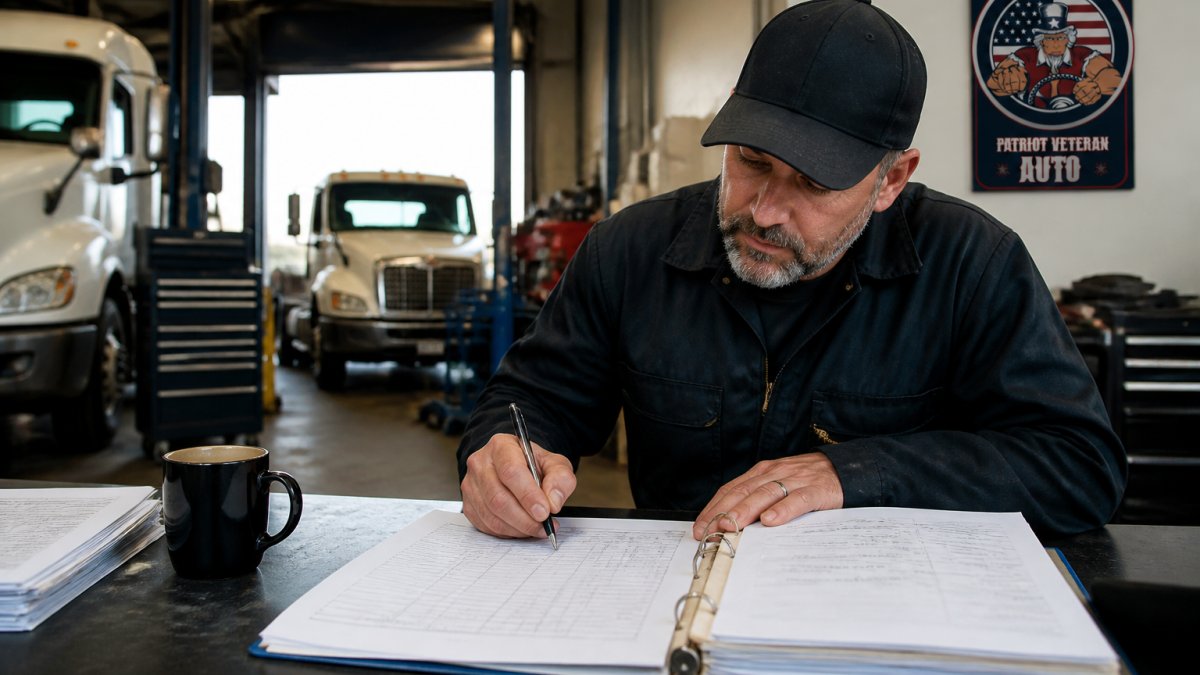
Proper documentation is the single most important factor in protecting your warranty when you skip the dealership. Keep every receipt, repair order, and service record organized and accessible. The Magnuson-Moss Warranty Act protects your rights, but you must prove that required maintenance occurred.
Each service record should include the date, your vehicle identification number, the odometer reading, and a detailed description of the work performed. An itemized receipt from a certified technician carries more weight than a vague note. If a dispute arises years later, you need to show that you followed the manufacturer's maintenance schedule without gaps.
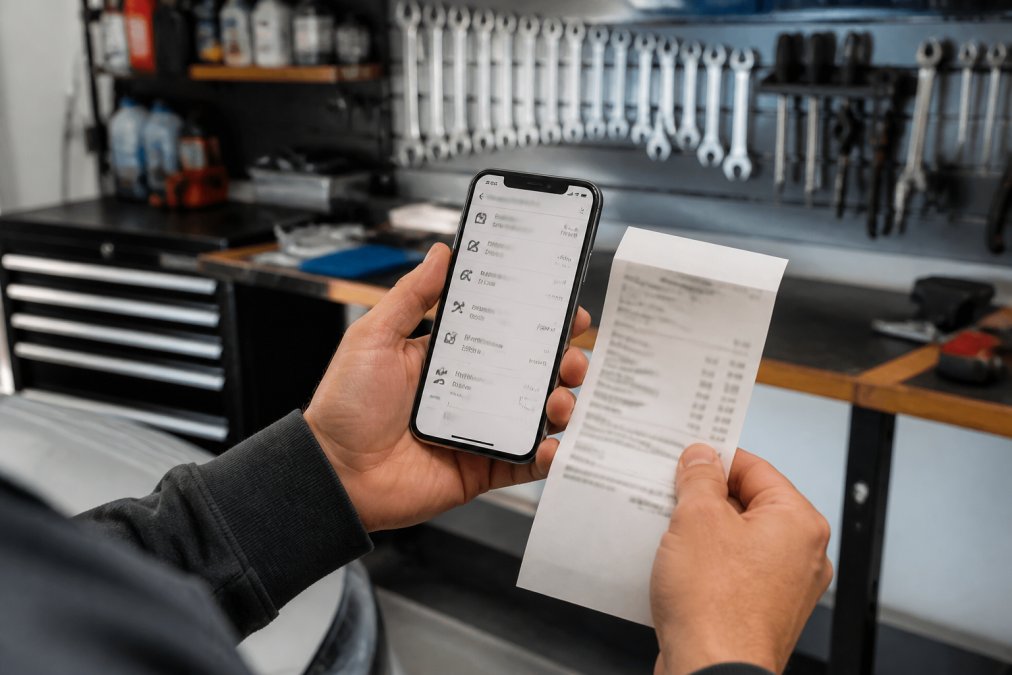
Digital Record-Keeping Best Practices
Paper receipts fade and get lost. Store digital copies of every service record in a cloud folder or a dedicated app. Take a photo of each receipt immediately after service and name the file with the date and mileage, such as "2026-09-01-oil-change-35000.jpg."
Many independent shops provide digital records automatically. If yours does not, ask for a PDF copy before you leave. Maintaining a spreadsheet that tracks the date, mileage, service performed, and shop name gives you a quick reference when a warranty question arises. This level of organization is especially important for fleet managers who need detailed records for compliance with commercial contracts.
Does Aftermarket Parts Void Warranty?
Aftermarket parts do not automatically void your warranty. The Magnuson-Moss Warranty Act explicitly prohibits a manufacturer from denying coverage solely because you used aftermarket parts. The key distinction is causation: the manufacturer must prove the aftermarket part caused the failure it is refusing to cover.
For example, if your aftermarket air filter fails and damages the engine, the manufacturer can deny that specific claim. But if your radio stops working and you installed aftermarket brake pads, the warranty claim must be honored. The part in question must be directly linked to the failure.
Using quality aftermarket parts from reputable suppliers minimizes risk. Document the parts used during any repair, including brand and part numbers, to strengthen your position if a manufacturer questions a future claim.
Routine Maintenance vs. Major Repairs: What You Must Cover
Routine maintenance refers to scheduled services like oil changes, tire rotations, fluid replacements, and filter changes. These tasks are your financial responsibility and are not covered under warranty. Major repairs cover unexpected component failures, such as a transmission or engine malfunction, which the warranty pays for when they occur during the coverage period.
The confusion arises because skipping routine maintenance can void coverage for major repairs. If you neglect scheduled oil changes and your engine seizes, the manufacturer can deny the engine repair claim. The warranty covers defects in materials or workmanship, not damage caused by lack of preventative maintenance.
The 'Severe' Driving Condition Trap
Most owner's manuals contain two maintenance schedules: one for "normal" driving and one for "severe" driving. The severe schedule is not optional for many drivers, it is a manufacturer-defined category that triggers shorter service intervals. Common triggers include:
- Stop-and-go traffic: If you regularly drive in congested urban areas where the engine idles for extended periods, most manufacturers classify this as severe.
- Extreme temperatures: Sustained operation in temperatures above 90°F or below 32°F, as defined in most owner's manuals.
- Frequent towing or hauling: Using your vehicle for trailer towing, roof rack loads, or carrying heavy cargo.
- Dusty or off-road conditions: Driving on unpaved roads, construction sites, or in areas with high airborne particulate matter.
For example, a rideshare driver in a metropolitan area who spends hours in stop-and-go traffic may need an oil change every 5,000 miles instead of the normal 7,500-mile interval. If that driver follows the normal schedule and the engine fails due to oil degradation, the manufacturer can deny the claim, regardless of whether the service was performed at a dealership or an independent shop.
Review your owner's manual's severe schedule and honestly assess your driving patterns. Fleet operators and commercial users should default to the severe schedule unless the manual explicitly states otherwise. When in doubt, follow the shorter interval. The cost of an extra oil change is negligible compared to a denied engine claim.
What the Warranty Actually Covers
A factory warranty covers defects in materials or workmanship, not wear-and-tear items. Brake pads, tires, wiper blades, and clutches are typically excluded from coverage regardless of where they were serviced. However, if a defective brake caliper causes premature pad wear, the caliper repair may fall under warranty while the pads remain your responsibility.
| Maintenance Type | Who Pays | Warranty Impact |
|---|---|---|
| Oil changes, tire rotations | Owner | Skipping can void related claims |
| Fluid flushes, filter changes | Owner | Skipping can void related claims |
| Engine or transmission failure | Warranty | Covered if maintenance records are complete |
| Brake component failure | Warranty | Covered unless aftermarket part caused the failure |
The 30-Day Grace Period Myth
Some drivers believe a 30-day grace period exists for overdue maintenance. No federal law or standard warranty provision establishes such a grace period. The warranty contract in your owner's manual defines the schedule, and the manufacturer can deny a claim if the required service was not performed by the specified mileage or date. The only protection is the causation requirement, the manufacturer must still prove the missed service caused the failure.
Keep a copy of the maintenance schedule from your owner's manual in your glove box. If a dispute arises, you can reference the exact interval and the service records that prove compliance.
Handling Warranty Claim Denials
When a dealership denies a warranty claim based on your maintenance history, do not accept the decision without question. Ask for a written explanation that identifies the specific maintenance item you missed and how it caused the failure. Under the Magnuson-Moss Warranty Act, the manufacturer bears the burden of proving causation.
If you believe the denial is unjustified, escalate the issue through the manufacturer's customer service department before involving the dealership. Many disputes resolve at this level when you present organized service records. The National Highway Traffic Safety Administration's complaint resources can guide you if the manufacturer remains unresponsive.
Keep every communication in writing. Document the names of representatives you speak with, the dates of your calls, and any case numbers assigned. A clear paper trail strengthens your position whether you pursue mediation, arbitration, or legal action.
Choosing an Independent Repair Shop That Protects Your Warranty
Selecting an independent repair facility requires attention to the shop's certifications and record-keeping practices. ASE-certified technicians demonstrate a verified level of competence, but more importantly, the shop must provide detailed invoices that satisfy warranty documentation requirements. A shop that cannot produce itemized, dated records creates risk for your coverage.
What to Look For in a Warranty-Safe Shop
1. Itemized, Dated Invoices
The single most important factor is whether the shop provides a detailed invoice that includes:
- Your vehicle identification number (VIN)
- The odometer reading at the time of service
- The date of service
- A description of the work performed, including labor and parts
- Part numbers and brands for any components replaced
- The technician's name or certification number
A shop that writes "oil change" on a receipt without the VIN or mileage may not provide enough documentation to satisfy a warranty dispute. Ask to see a sample invoice before booking service.
2. ASE-Certified Technicians
ASE certification is the industry standard for technician competence. While certification alone does not guarantee warranty-safe documentation, it signals that the shop invests in professional standards. Shops with ASE-certified technicians are more likely to understand manufacturer maintenance specifications and document work properly.
3. Familiarity With Your Vehicle's Maintenance Schedule
The shop should be willing to follow the manufacturer's recommended intervals from your owner's manual, not their own generic schedule. Ask the service advisor directly: "Will you follow the OEM maintenance schedule from my owner's manual?" A shop that insists on its own intervals may create gaps that a manufacturer could exploit.
4. Digital Record Delivery
Many independent shops now provide digital records automatically through customer portals or email. If a shop only offers paper receipts, ask whether they can email a PDF copy. Digital records are easier to organize, back up, and present during a warranty dispute.
Red Flags to Avoid
- Vague or handwritten receipts that lack the VIN, mileage, or part details
- Shops that refuse to follow OEM specifications or recommend longer intervals than the manufacturer
- Technicians who cannot explain what they did or why a specific part was used
- Shops that use uncertified parts without disclosing the brand or source
How to Vet a Shop Before You Commit
Call ahead and ask these three questions:
- "Do you provide itemized invoices with the VIN, mileage, and part numbers?"
- "Will you follow the maintenance schedule in my owner's manual?"
- "Can you email me a digital copy of the service record?"
If the answer to any question is hesitant or negative, consider another shop. The documentation you receive is your primary defense in a warranty dispute.
What If a Shop's Records Are Challenged?
If a manufacturer disputes the quality of records from an independent shop, you have options. Request the shop's records for the specific service date, including any technician notes or diagnostic logs. Many shops retain additional documentation beyond the customer receipt. If the shop refuses to provide supporting records, that is a sign you should have chosen differently.
Patriot Veteran Auto provides dealer-quality care at local shop prices, with ASE-certified service. Our team handles routine maintenance and complex repairs across many vehicle makes, and we provide the documentation you need to protect your warranty. For fleet managers, we maintain comprehensive service logs that support compliance with commercial contracts.
A quality independent shop follows the manufacturer's maintenance schedule and uses parts that meet original equipment manufacturer specifications. Ask about their documentation practices before you book service. The right shop protects both your vehicle and your warranty coverage, giving you the confidence to skip the dealership without worry.
Conclusion: Your Warranty, Your Choice of Mechanic
The federal protections under the Magnuson-Moss Warranty Act give you the freedom to choose where your vehicle is serviced without sacrificing warranty coverage. Dealer maintenance is a convenience, not a requirement. The real obligation is proper documentation of routine maintenance performed to manufacturer specifications.
At Patriot Veteran Auto, our ASE-certified team delivers the detailed service records and quality repairs you need to keep your warranty valid. Schedule an appointment with us and experience dealer-quality care at local shop prices, backed by transparent documentation you can trust.
Frequently Asked Questions
Do I need dealer service for warranty coverage?
No, federal law does not require dealer service to keep your warranty valid. The Magnuson-Moss Warranty Act prohibits manufacturers from conditioning warranty coverage on dealer-only maintenance. You can use an independent repair facility as long as the work follows the manufacturer's maintenance schedule and specifications. Keep all receipts and records to prove the service was performed correctly.
Does aftermarket parts void warranty?
No, using aftermarket parts does not automatically void your warranty. Under the Magnuson-Moss Warranty Act, a manufacturer can only deny a claim if it can prove the aftermarket part caused the specific failure. For example, if your aftermarket stereo fails, the manufacturer cannot deny a claim for your transmission. Keep documentation showing the parts used and the repair facility that installed them.
What documentation do I need to keep if I use an independent mechanic?
Keep every repair order and itemized receipt showing the date, odometer reading, vehicle identification number (VIN), and a description of the service performed. Records should show that maintenance meets the manufacturer's specifications, including correct oil type and fluid levels. Digital photos of receipts and a maintenance log are acceptable proof. Store records for at least the duration of your warranty coverage.
Can a manufacturer deny a warranty claim because I didn't use their service center?
A manufacturer cannot deny a warranty claim solely because you used an independent repair facility. They can deny a claim if you failed to perform required scheduled maintenance, or if the independent repair was performed improperly and caused the failure. If you receive a denial, request a written explanation. The denial must state the specific reason and evidence linking your maintenance choices to the defect.